- English
- Esperanto
- беларускі
- Hrvatski
- ქართული
- Монгол хэл
- O'zbek
- Հայերեն
- Sundanese
- Español
- Português
- русский
- Français
- 日本語
- Deutsch
- tiếng Việt
- Italiano
- Nederlands
- ภาษาไทย
- Polski
- 한국어
- Svenska
- magyar
- Malay
- বাংলা ভাষার
- Dansk
- Suomi
- हिन्दी
- Pilipino
- Türkçe
- Gaeilge
- العربية
- Indonesia
- Norsk
- تمل
- český
- ελληνικά
- український
- Javanese
- فارسی
- தமிழ்
- తెలుగు
- नेपाली
- Burmese
- български
- ລາວ
- Latine
- Қазақша
- Română
- Srpski језик


What Makes an Electric Wafer Butterfly Valve Essential for Your System?
Electric wafer butterfly valves are widely used in industrial piping systems for fluid control. This article explains their design, advantages, common applications, installation tips, maintenance practices, and how they improve system efficiency. Waits Valve Co., Ltd. offers high-quality electric wafer butterfly valves tailored to various industrial needs.
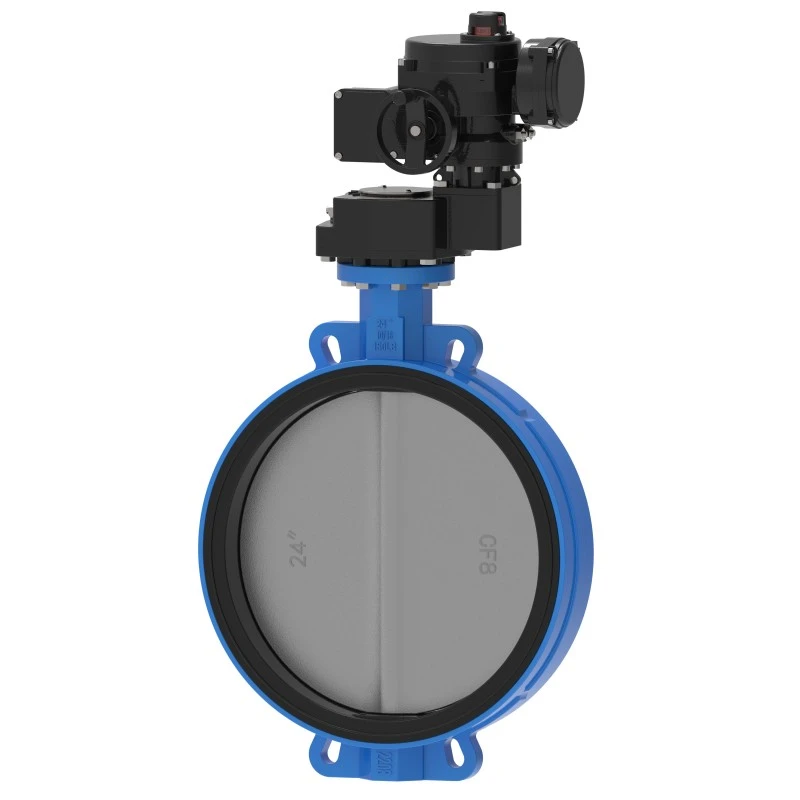
Table of Contents
- Introduction to Electric Wafer Butterfly Valves
- Working Principle
- Benefits of Electric Wafer Butterfly Valves
- Common Applications
- Types and Specifications
- Installation Guidelines
- Maintenance and Troubleshooting
- Frequently Asked Questions
- Conclusion & Contact
Introduction to Electric Wafer Butterfly Valves
Electric wafer butterfly valves are compact, lightweight valves designed for precise fluid control in pipelines. They are characterized by a disc mounted on a rotating shaft, which opens or closes to regulate flow. With electric actuators, these valves provide automated operation for industries that demand reliability and efficiency.
Waits Valve Co., Ltd. specializes in manufacturing premium electric wafer butterfly valves, ensuring durability and optimal performance even in demanding conditions.
Working Principle
The electric wafer butterfly valve operates through a simple yet effective mechanism:
- An electric actuator receives a signal from a control system.
- The actuator rotates the valve disc 90°, allowing the valve to open or close.
- The wafer design allows the valve to be sandwiched between two pipe flanges, creating a tight seal.
This mechanism ensures precise flow regulation, energy efficiency, and minimal leakage, making it ideal for automated systems.
Benefits of Electric Wafer Butterfly Valves
Electric wafer butterfly valves offer several advantages over manual or traditional valves:
- Compact Design: The wafer-style body requires minimal space, reducing installation costs.
- Automation: Electric actuation allows remote control and integration with industrial control systems.
- Cost Efficiency: Lightweight construction and wafer design reduce material and operational costs.
- Low Maintenance: Fewer moving parts and robust sealing reduce the need for frequent maintenance.
- Versatility: Suitable for water, air, gas, and chemical systems.
Common Applications
Electric wafer butterfly valves are used across multiple industries:
| Industry | Typical Application |
|---|---|
| Water Treatment | Flow control in filtration and distribution systems |
| HVAC | Temperature and pressure regulation in air ducts |
| Chemical Processing | Corrosion-resistant valves for chemical pipelines |
| Food & Beverage | Sanitary flow control in processing lines |
| Oil & Gas | Pipeline flow automation and safety control |
Types and Specifications
Waits Valve Co., Ltd. provides electric wafer butterfly valves in multiple variants:
- Standard Electric Wafer Butterfly Valve: Suitable for water and air systems.
- High-Performance Wafer Valve: Handles higher pressure and temperature ranges.
- Corrosion-Resistant Wafer Valve: Made from stainless steel or coated materials for chemical applications.
| Parameter | Typical Range |
|---|---|
| Diameter | 50mm – 1200mm |
| Pressure Rating | PN10 – PN25 |
| Temperature Range | -20°C to 180°C |
| Actuator Power | 24V DC, 110V AC, 220V AC |
Installation Guidelines
Proper installation is critical for reliable operation:
- Ensure the pipe flanges are aligned and clean before installing the valve.
- Sandwich the wafer valve between flanges, inserting the bolts evenly.
- Tighten bolts gradually in a cross pattern to prevent disc distortion.
- Connect the electric actuator to the control system and test operation before commissioning.
Following these guidelines minimizes leakage and extends valve life.
Maintenance and Troubleshooting
Electric wafer butterfly valves are low-maintenance but periodic checks ensure optimal performance:
- Inspect seals and gaskets for wear and replace if necessary.
- Verify actuator alignment and electrical connections regularly.
- Lubricate moving parts per manufacturer instructions.
- Test valve operation periodically to prevent sticking or failure.
Troubleshooting common issues:
| Problem | Possible Cause | Solution |
|---|---|---|
| Valve not opening | Actuator failure | Check power supply and actuator connections |
| Leakage | Worn gasket or disc misalignment | Replace gasket and realign disc |
| Slow operation | Incorrect actuator setting | Adjust actuator speed and test |
Frequently Asked Questions
Q1: How does an electric wafer butterfly valve differ from a standard butterfly valve?
A1: The electric wafer butterfly valve includes an electric actuator that allows remote and automated operation, whereas a standard manual butterfly valve requires manual rotation of the handle.
Q2: Can these valves be used in corrosive environments?
A2: Yes. Waits Valve Co., Ltd. provides corrosion-resistant variants made of stainless steel or special coatings suitable for chemical and industrial fluids.
Q3: What is the typical lifespan of an electric wafer butterfly valve?
A3: With proper installation and maintenance, these valves can last 10–15 years, depending on operating conditions and frequency of use.
Q4: Are these valves energy-efficient?
A4: Yes. Electric actuation and wafer design reduce energy consumption and provide precise flow control, minimizing waste.
Q5: How easy is it to integrate with an existing control system?
A5: Electric wafer butterfly valves are designed for easy integration with PLCs, SCADA systems, or standalone control panels. Waits Valve Co., Ltd. offers customizable options to match your system.
Conclusion & Contact
Electric wafer butterfly valves are indispensable for modern industrial systems due to their compact design, automation capability, cost efficiency, and versatility. Waits Valve Co., Ltd. provides high-quality valves that meet diverse industry requirements, ensuring reliable and long-lasting performance.
For more information or to discuss your specific requirements, contact us today. Our team at Waits Valve Co., Ltd. is ready to help you select the ideal electric wafer butterfly valve for your application.