- English
- Esperanto
- беларускі
- Hrvatski
- ქართული
- Монгол хэл
- O'zbek
- Հայերեն
- Sundanese
- Español
- Português
- русский
- Français
- 日本語
- Deutsch
- tiếng Việt
- Italiano
- Nederlands
- ภาษาไทย
- Polski
- 한국어
- Svenska
- magyar
- Malay
- বাংলা ভাষার
- Dansk
- Suomi
- हिन्दी
- Pilipino
- Türkçe
- Gaeilge
- العربية
- Indonesia
- Norsk
- تمل
- český
- ελληνικά
- український
- Javanese
- فارسی
- தமிழ்
- తెలుగు
- नेपाली
- Burmese
- български
- ລາວ
- Latine
- Қазақша
- Română
- Srpski језик


What Makes a Fire Gear Wafer Butterfly Valve Essential for Safety and Efficiency?
Fire safety systems rely on precision, reliability, and durability. The Fire Gear Wafer Butterfly Valve has emerged as a critical component in industrial and commercial piping networks. This article explores its design, applications, operational benefits, maintenance strategies, and factors to consider before purchase. By understanding these elements, engineers and facility managers can ensure optimal performance and compliance with safety standards.
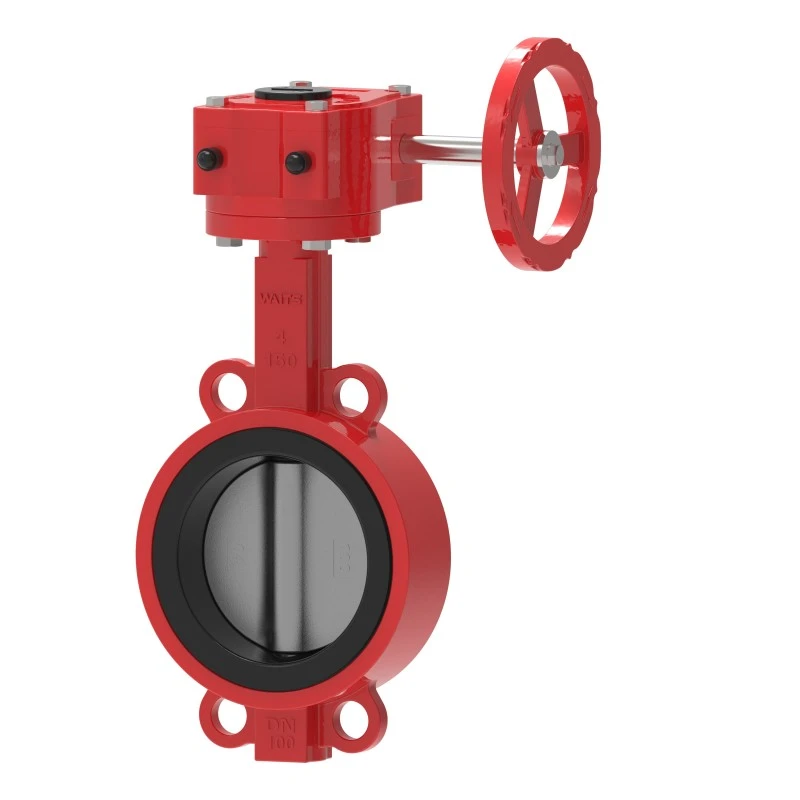
Table of Contents
- Introduction to Fire Gear Wafer Butterfly Valves
- Design and Structure
- Key Applications
- Operational Benefits
- Installation and Maintenance Tips
- Factors to Consider Before Selection
- Common Issues and Troubleshooting
- Frequently Asked Questions (FAQ)
- Conclusion and Contact
Introduction to Fire Gear Wafer Butterfly Valves
The Fire Gear Wafer Butterfly Valve is designed for quick and reliable shutoff in fire protection systems. Unlike traditional valves, wafer-style butterfly valves are installed between pipe flanges, minimizing space requirements and ensuring seamless integration with existing systems. They are widely used in industrial plants, commercial buildings, and municipal fire safety networks due to their reliability and efficiency.
Modern fire gear butterfly valves combine advanced materials, precision engineering, and ergonomic operation. They serve not only as a control mechanism but also as a safety assurance tool, allowing emergency teams to quickly isolate sections of a pipeline during fire incidents.
Design and Structure
Understanding the structure of a fire gear wafer butterfly valve is crucial for proper selection and usage. Key components include:
- Valve Body: Compact, wafer-style body designed for installation between two flanges.
- Disc: Rotating element that regulates flow. Typically made of stainless steel or carbon steel for durability.
- Shaft: Connects the disc to the actuator or manual gear, transmitting motion effectively.
- Seals: High-performance elastomer or metal seals to ensure zero leakage.
- Actuator/Gear: Manual or automated gear system to open/close the valve efficiently.
Table: Typical Fire Gear Wafer Butterfly Valve Specifications
| Parameter | Typical Value | Notes |
|---|---|---|
| Size Range | 50mm - 600mm | Depending on system requirement |
| Pressure Rating | PN10 - PN25 | Suitable for water and foam-based systems |
| Temperature Range | -10°C to 120°C | Material dependent |
| Material | Stainless Steel, Carbon Steel, Ductile Iron | Corrosion-resistant options available |
| Operation | Manual Gear, Electric, Pneumatic | Optional actuator types |
Key Applications
Fire gear wafer butterfly valves are versatile. Common applications include:
- Fire Sprinkler Systems: Quick shutoff valves to isolate sections during emergencies.
- Industrial Water Networks: Used in process piping where space-saving solutions are needed.
- Commercial Buildings: HVAC and plumbing systems benefit from compact wafer design.
- Marine and Offshore: Reliable valves for fire suppression on ships and platforms.
- Municipal Fire Networks: Integrated into urban water pipelines for emergency isolation.
The wafer design makes installation faster and maintenance simpler, which is essential during critical operations where time is of the essence.
Operational Benefits
Investing in a fire gear wafer butterfly valve provides several advantages:
- Compact Design: Fits between flanges without requiring extra space.
- Cost-Effective: Lower installation and maintenance costs compared to other valves.
- Reliable Operation: Positive shutoff with minimal leakage.
- Quick Response: Fast actuation for emergency situations.
- Durability: Resistant to corrosion, high pressure, and high temperature conditions.
Installation and Maintenance Tips
Proper installation and maintenance are critical for long-term reliability. Key points include:
- Ensure the valve is centered between flanges to avoid uneven stress.
- Use appropriate gaskets compatible with valve materials.
- Check gear operation periodically to prevent stiffness or binding.
- Lubricate moving parts as recommended by the manufacturer.
- Inspect seals regularly and replace worn components promptly.
Preventive maintenance can extend the valve’s lifespan and avoid costly downtime in critical fire protection systems.
Factors to Consider Before Selection
When selecting a fire gear wafer butterfly valve, consider:
- Pipe Size and Pressure Rating: Ensure compatibility with your system.
- Material Requirements: Choose materials resistant to the operating environment.
- Actuation Method: Manual or automated operation depending on accessibility and control needs.
- Compliance Standards: Confirm adherence to fire safety and local regulatory standards.
- Maintenance Accessibility: Evaluate ease of servicing in tight spaces.
Careful evaluation ensures the valve performs efficiently and safely over its service life.
Common Issues and Troubleshooting
While fire gear wafer butterfly valves are robust, some issues may arise:
- Leakage: Often caused by worn seals or improper alignment.
- Stiff Operation: May result from rust, lack of lubrication, or debris buildup.
- Gear Malfunction: Check for damaged teeth or misalignment.
- Disc Deformation: Extreme pressure or impact can warp the disc, requiring replacement.
Regular inspection and proactive maintenance can resolve these problems quickly, ensuring system reliability.
Frequently Asked Questions (FAQ)
Q1: How does a wafer butterfly valve differ from a lug-style valve?
A: Wafer valves are sandwiched between two pipe flanges and rely on flange bolts for positioning. Lug-style valves have threaded lugs for direct bolting, allowing for easier system isolation.
Q2: Can these valves handle high-temperature fluids?
A: Yes, depending on the material selection. Stainless steel and high-performance elastomers allow operation at elevated temperatures without compromising seal integrity.
Q3: Are electric actuators compatible with wafer butterfly valves?
A: Absolutely. Electric, pneumatic, and hydraulic actuators can be integrated for automated control, improving safety in fire systems.
Q4: How often should maintenance be performed?
A: A standard recommendation is every 6 to 12 months, depending on usage intensity, environmental conditions, and system criticality.
Q5: Can the valve be installed vertically?
A: Yes, wafer butterfly valves are versatile and can be installed in horizontal or vertical pipelines, though actuator orientation should be verified.
Conclusion and Contact
The Fire Gear Wafer Butterfly Valve is an indispensable component in modern fire safety systems. Its compact design, reliable operation, and cost efficiency make it a preferred choice for engineers and facility managers worldwide. Proper selection, installation, and maintenance are key to ensuring long-term performance and system safety.
For high-quality fire gear wafer butterfly valves, Waits Valve Co., Ltd. provides a comprehensive range with professional support. Contact us today to discuss your project requirements and find the ideal solution for your system.
Previous:No News